
最近、家づくりのことを考えていて、ふと気づきました。自分は意外と昔から、木とかなり長い付き合いをしてきたのかもしれない、と。思い返してみると、その代表格が和太鼓とリコーダーでした。
若いころは和太鼓にかなり夢中になっていました。和太鼓の胴には、ケヤキやヒノキなどをくり抜いたものもあれば、板を組み合わせて作るものもあります。ひとつの太鼓が何十年、時には何百年と使われ、革を張り替えながら次の世代へ渡っていく。胴の内側に職人の名前や修復の記録が墨で残されていることもあり、それを見るたびに、自分がこの楽器に関わる時間など、その長い歴史のほんの一瞬なのだと思わされます。木は材料であると同時に、時間そのものを抱えているようにも見えます。
その後、まったく違う音を求めて木管リコーダーの世界にも迷い込みました。学校で使うプラスチック製とは違い、木管は材によって音の性格がかなり変わります。輪郭のはっきりした音を求めるなら硬い木、周囲とよく溶ける柔らかな音なら別の木。どれが優れているというより、どんな音を出したいかによって選ぶ木が変わる。この世界もまた、調べれば調べるほど終わりのない沼です。
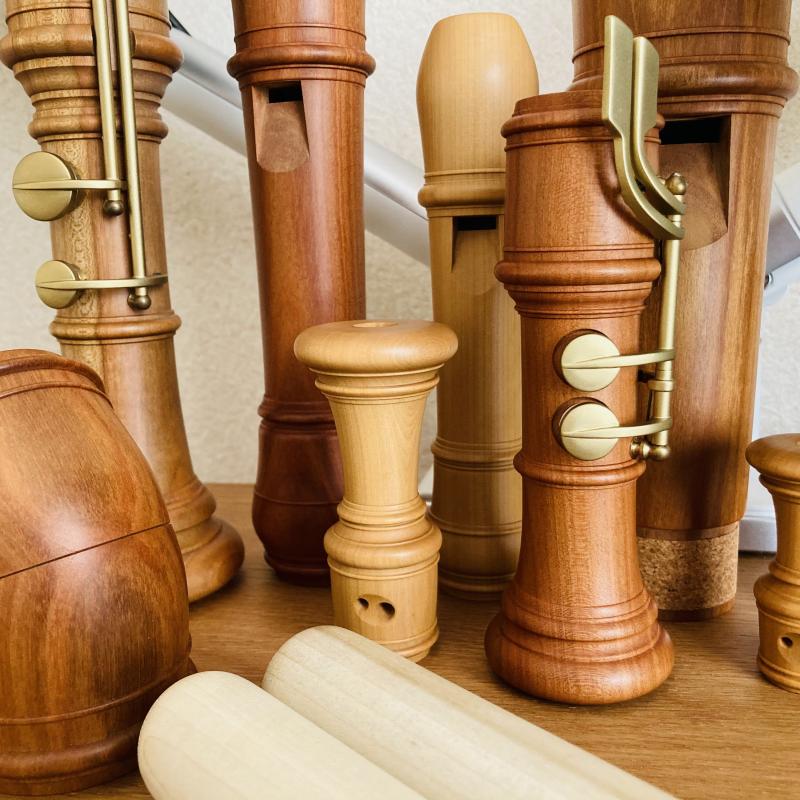
そう考えると、家づくりにも少し似ています。固くてシャープな木、柔らかく空間になじむ木、年月とともに色や表情を変えていく木。ひとつの「正解」があるのではなく、どんな空間で、どんなふうに暮らしたいかによって選び方が変わる。太鼓では木の響きを鳴らし、リコーダーでは木を通る息の音を聴いてきました。そして今度は、木そのものに囲まれた暮らしを考えています。ずいぶん遠回りしたようで、もしかすると昔から少しずつ「木と暮らす練習」をしていたのかもしれません。
Lately, while thinking about houses and materials, I realised that wood has been part of my life for much longer than I had noticed. Two things in particular brought that back to me: Japanese taiko drums and wooden recorders.
For a long stretch of my younger years, I was deeply involved with taiko. The bodies of these drums can be carved from woods such as zelkova or cypress, or built from fitted wooden staves. A well-made drum can survive for decades, sometimes centuries, with the skins replaced along the way. Inside older drums, you occasionally find names, dates, and repair records written in ink by the craftsmen who made or restored them. Looking at those marks gives the instrument a strange sense of scale. Your own time with it is only a small chapter in a life that began long before you and may continue long after.
Later, I wandered into the world of wooden recorders. Unlike the plastic instruments most people know from school, wooden recorders vary noticeably depending on the material. Harder woods can produce a clearer, more focused sound; softer woods often blend more gently in an ensemble. There is no single best choice. The right wood depends on the sound you want, and somewhere between those extremes lies an endless collection of subtle differences. Predictably, it is another excellent rabbit hole.
That way of thinking feels surprisingly close to choosing materials for a home. Some woods feel crisp and defined, others warm and quiet; some change dramatically with age while others settle more gently into the background. The question is not simply which one is “better,” but what kind of atmosphere you want to live with. I have struck wood to make a drum speak, breathed through wood to make a flute sing, and now I find myself thinking about what it means to live surrounded by it. Perhaps I have been practising for this relationship with wood for much longer than I realised.